Practical packing advice for protecting furniture, boxes, fragile items, white goods, TVs, mirrors and household goods during a long-distance move.
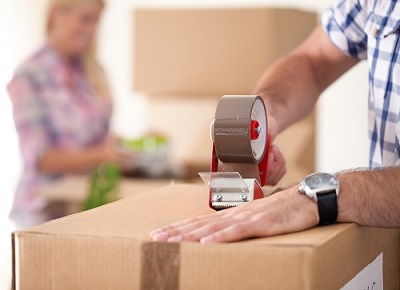
Packing for an interstate move is different from packing for a short local relocation. Your furniture, boxes and fragile items may travel hundreds or thousands of kilometres, move through different weather conditions, be secured for highway transport and spend more time in transit. That means weak boxes, rushed wrapping and poor labelling can create real problems by the time your goods arrive.
A good packing plan protects your belongings, helps the removalists load the truck safely and makes unpacking easier at the other end. If you are still planning the full relocation, start with our complete guide to moving interstate in Australia so your packing, inventory, access details and timing all line up properly.
A longer move means more movement, more handling and less room for shortcuts.
For a short local move, boxes may only travel across town and be unloaded the same day. If something is packed poorly, the risk is still there, but the journey is shorter and the handling process is usually simpler. Interstate moving is different. Your goods need to be packed for distance, vibration, truck movement, stacking and longer delivery windows.
This is why interstate packing should be stronger, more organised and more deliberate. The aim is not just to get everything into boxes. The aim is to pack each item so it can survive the journey and be easy to identify when it reaches the destination.
Good packing helps with more than protection. It also helps the removalists load efficiently, stack correctly, separate fragile items, identify heavy boxes and unload into the right rooms. Poor packing can slow the move down, increase damage risk and make unpacking frustrating.
If you are trying to reduce costs, packing yourself can help, but only if it is done properly. For more budget-focused advice, read our cost-effective ways to move interstate guide before deciding what to do yourself and what to leave to professionals.
Start with the least-used items and leave everyday essentials until the final stage.
| Timing | What to Pack | Why It Helps |
|---|---|---|
| 4–6 weeks before | Garage items, storage cupboards, spare rooms, books, decor, seasonal clothing and unused kitchen items. | These areas often hide more volume than expected and are easy to underestimate in the moving quote. |
| 2–3 weeks before | Guest bedding, extra linen, non-essential appliances, outdoor items, office files and rarely used household goods. | This reduces pressure closer to moving day and gives you time to declutter properly. |
| Final week | Most kitchenware, bathroom items, clothing, children’s items, laundry supplies and everyday household items. | These are still needed until close to moving day, so packing them too early can create unnecessary stress. |
| Final 24 hours | Chargers, medication, toiletries, documents, snacks, cleaning supplies, pet items, keys and a change of clothes. | These should stay with you, not disappear into the truck with everything else. |
| Moving morning | Bedding, last dishes, kettle, cleaning kit, final rubbish and personal essentials. | These are the items people most often need before the truck leaves and after arrival. |
Fragile items need cushioning, separation and clear labelling — not wishful thinking.

Fragile boxes should be packed so items cannot move around inside them. Start with a layer of crushed packing paper, towels or protective material at the bottom of the carton. Wrap each fragile item separately, then place heavier items at the bottom and lighter items on top. Fill empty spaces so nothing shifts during transport.
For plates, pack them vertically like records rather than stacked flat. For glasses and mugs, wrap each item individually and fill internal gaps where possible. For delicate ornaments, use smaller boxes inside larger cartons if extra protection is needed.
If an item is valuable, sentimental, awkward or difficult to replace, ask whether professional packing is the safer option.
Good labels save time at pickup, delivery and unpacking.
Every box should be labelled on at least two sides, not just the top. Once boxes are stacked, top labels can be hidden. Use a thick marker and write the destination room, a short contents description and any handling note such as “fragile,” “heavy,” “open first” or “this way up.”
A simple box numbering system can also help. For example, “Kitchen 1 of 8” makes it easier to see if anything is missing and helps you prioritise what to unpack first.
Good labelling also helps removalists place boxes in the correct rooms, which makes the final part of the move much less painful.
Some items should travel with you, be disposed of safely or be checked before moving day.
When in doubt, ask before packing. It is much better to check early than to find out on moving day that something cannot travel in the truck.
The most awkward items often need the most preparation.
| Item Type | How to Prepare It | Important Tip |
|---|---|---|
| Furniture | Empty drawers, remove loose shelves, secure small parts and check whether items need dismantling. | Keep screws and bolts in labelled bags taped to the item or packed in a clearly marked essentials box. |
| Fridges and freezers | Empty, clean, defrost and dry before moving day. | Moisture left inside can cause smells, leaks or mould during transport. |
| Washing machines | Disconnect, drain hoses and secure loose parts where possible. | Water left in hoses can leak into the truck or onto other items. |
| TVs | Use the original box if available, or ask about suitable protection for screen transport. | Never pack loose items against a TV screen. |
| Mirrors and artwork | Protect edges, wrap carefully and use proper picture cartons where needed. | Clearly label these items so they are not stacked incorrectly. |
| Glass tables and cabinets | Remove loose glass panels where possible and identify fragile sections early. | Large glass items may need extra wrapping or professional handling. |
DIY packing can save money, but some situations call for experienced help.
Professional packing can be worth it when your move includes fragile, heavy, awkward or valuable items. TVs, mirrors, artwork, glass cabinets, antiques, marble-top furniture, delicate timber pieces and large fragile items may need stronger preparation than standard household boxes.
It can also be useful if you are moving on short notice, working full-time, relocating with children or simply do not have the time to pack properly. Paying for help upfront can reduce the risk of damage and make moving day run more smoothly.
DIY packing is often suitable for clothing, linen, books, basic kitchen items, toys, pantry goods and general household items. The key is to start early, use good materials and avoid the classic mistake of making every box too heavy.
If you are comparing DIY packing, backloading and full-service removal options, our cost-effective interstate moving guide explains where you may be able to save money without creating bigger problems later.
The final week is where good planning either pays off or falls apart.
Use these guides to plan the rest of your move with less guesswork.
A complete interstate moving guide covering inventory, timing, route planning, access, costs and what to confirm before booking.
Read Moving GuideLearn how flexible dates, backloading, accurate inventories and smart preparation can help reduce moving costs.
Read Cost GuideUnderstand how long-distance state-to-state removals work when moving furniture across Australian borders.
View State-to-State MovesSend your inventory, access details, pickup suburb, destination suburb and preferred moving dates for tailored advice.
Get a QuoteClear answers for customers preparing for a long-distance interstate move.
For most interstate moves, it is smart to start packing non-essential items four to six weeks before moving day. Begin with storage areas, spare rooms, books, seasonal items and anything you do not use daily. Leave everyday clothing, toiletries, basic kitchen items and bedding until closer to the move.
You can pack your own boxes if you have time, strong materials and mostly standard household goods. Professional packing is worth considering for fragile items, artwork, mirrors, TVs, antiques, delicate furniture and short-notice moves where poor packing could create damage or delays.
Use strong cartons, wrap each fragile item separately, cushion the bottom of the box and fill empty spaces so items cannot move. Label the box clearly and avoid making it too heavy. Fragile boxes should be easy to lift and obvious to anyone handling them.
Keep medication, documents, keys, chargers, wallets, valuables, toiletries, a change of clothes, pet items and children’s essentials with you. These items should not be packed deep inside the moving truck because you may need them during travel or immediately after arrival.
Be careful with food, liquids and cleaning products. Perishables can spoil, liquids can leak and some chemicals may not be suitable for transport. Use up, donate or dispose of risky items before moving day, and ask your removalist if you are unsure.
Label every box on at least two sides with the destination room, brief contents and handling instructions. Use clear wording such as “kitchen — plates — fragile” or “office — cables — open first.” A simple numbering system can also help track boxes during unpacking.
Send through your inventory, pickup suburb, destination suburb, access details and preferred dates so Interstate Removal Company can help you plan the right moving and packing support.